





- Room 1807, Unit 9, Building 2, Shangxing Commercial Street, Shangde Road, Shangxing Community, Xinqiao Subdistrict, Bao'an District, Shenzhen City, China
CONTACT US

WhatsApp

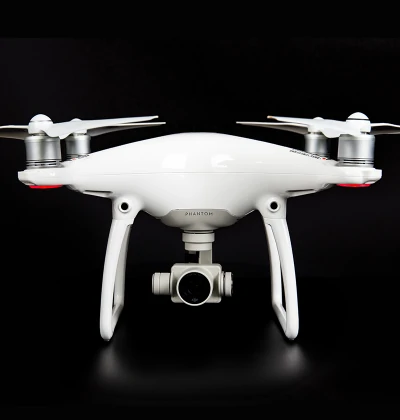

Aerospace & UAV
WJ Prototypes is your 3D manufacturing partner from prototype to large scale production.

Consumer Electronics
New Product Introduction Solutions for Consumer Electronics.

Robotics & Automation
Need some assistance bringing your robotic device or parts from the sketch-board to reality?

Medical Devices
The medical industry needs high quality, dependable and safe parts and products.

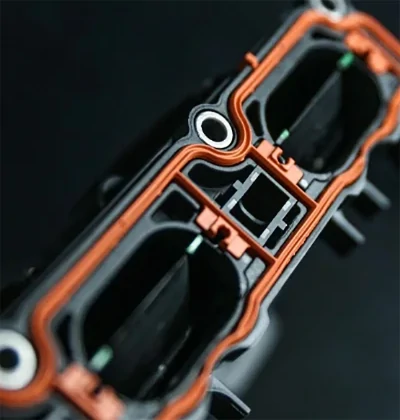
Automotive
New Product Introduction Solutions for Automotive

Industrial Machinery
The main purpose of industrial prototyping is to take the product from drawings into the real world.
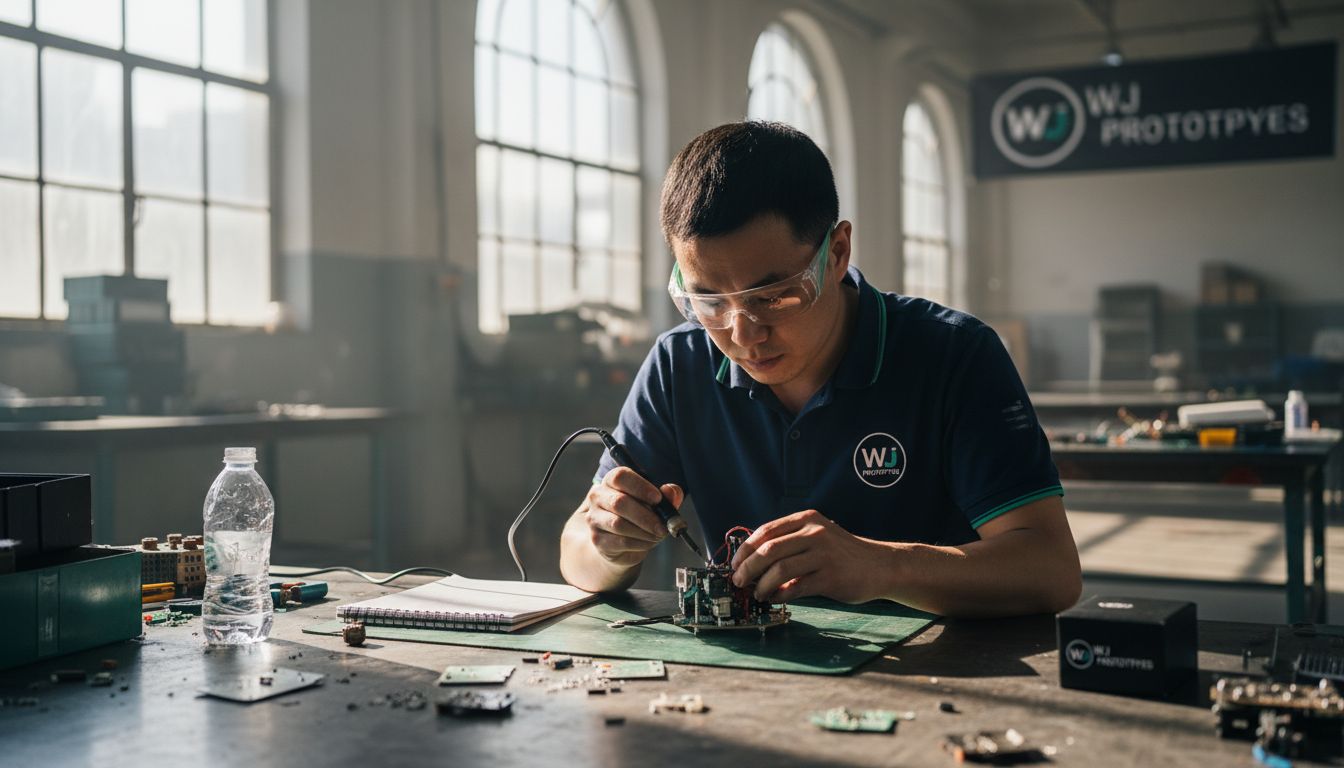
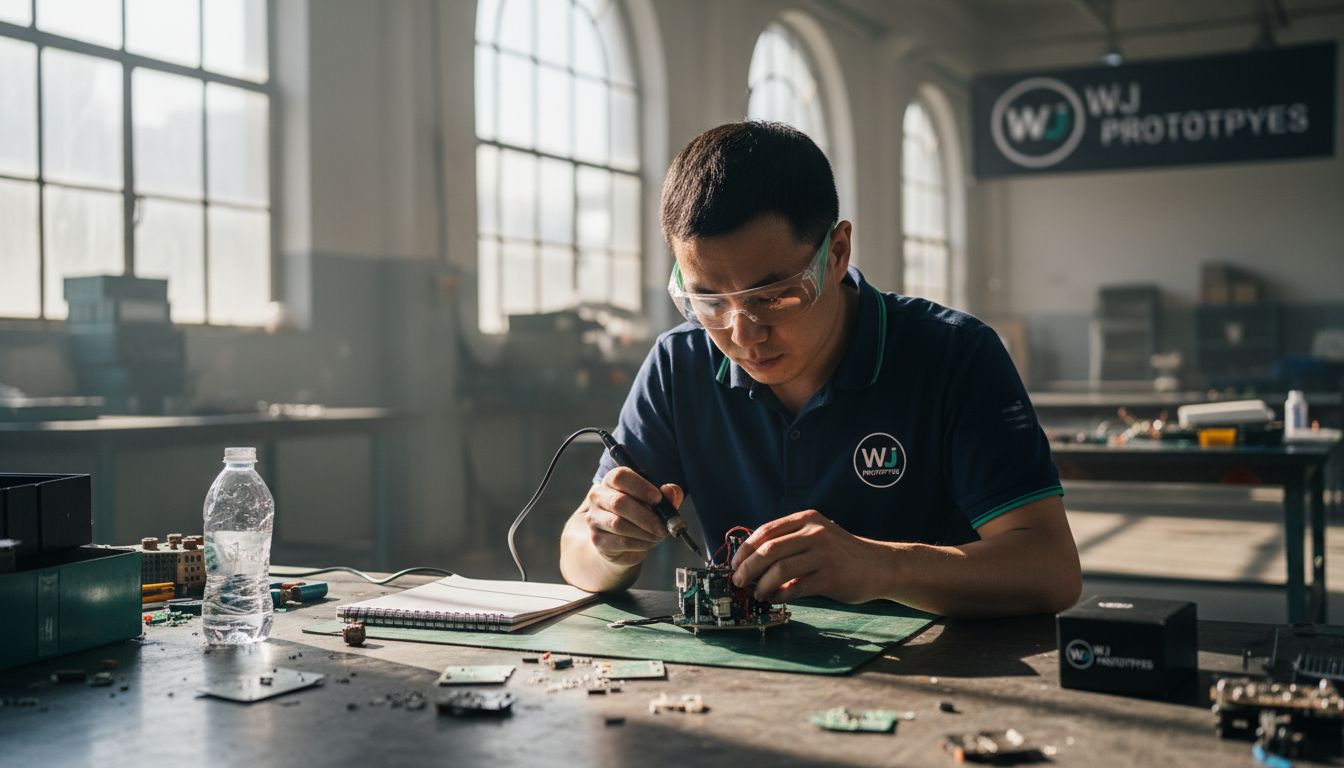
Engineers shape the vital bridge between concept and reality, and within british industry, their influence is undeniable. Nearly 85% of successful product launches depend on expert prototyping led by skilled engineers. Without this technical and creative guidance, even the best ideas struggle to progress. Understanding what engineers really do during prototyping reveals how products move from inspiration to innovation, offering insights that matter whether you are in design, manufacturing, or technology development.
| Point | Details |
|---|---|
| Engineers as Innovators | Engineers transform ideas into prototypes, combining creativity and technical expertise throughout various stages of development. |
| Importance of Iterative Prototyping | Prototyping is an iterative process that enhances learning and drives innovation, enabling engineers to refine designs through feedback and data. |
| Selection of Prototyping Methods | Choosing the right prototyping method is crucial for project success and must align with project requirements, material constraints, and production goals. |
| Collaboration and Communication | Effective collaboration and communication among engineers and multidisciplinary teams are essential for translating complex designs into practical solutions. |
Engineers are the architects of innovation, serving as critical catalysts who transform conceptual ideas into tangible prototypes through strategic technical expertise. Within the product development ecosystem, engineers play a multifaceted role that goes far beyond mere technical execution. They are problem solvers, strategic thinkers, and creative innovators who bridge the gap between theoretical design and functional reality.
The prototyping process demands engineers possess a unique blend of technical skills and creative problem-solving capabilities. Their responsibilities encompass multiple critical stages, including initial concept evaluation, technical feasibility assessment, design optimisation, and iterative refinement. Systematic prototyping approaches enable engineers to methodically deconstruct complex design challenges, identifying potential constraints and engineering solutions before full-scale production.
Key engineering contributions in prototyping include:
Successful engineers recognise prototyping as an iterative dialogue between imagination and technical constraints. They understand that each prototype represents not just a physical model, but a strategic learning opportunity to refine and perfect technological solutions. By embracing a holistic approach that combines analytical thinking with creative problem-solving, engineers transform abstract concepts into functional, innovative prototypes that drive technological advancement across industries.
Engineering prototyping encompasses a diverse range of sophisticated technologies and methodologies designed to transform conceptual designs into functional representations. Contemporary prototyping methods have evolved dramatically, enabling engineers to create increasingly precise and complex prototype iterations with remarkable efficiency and accuracy.
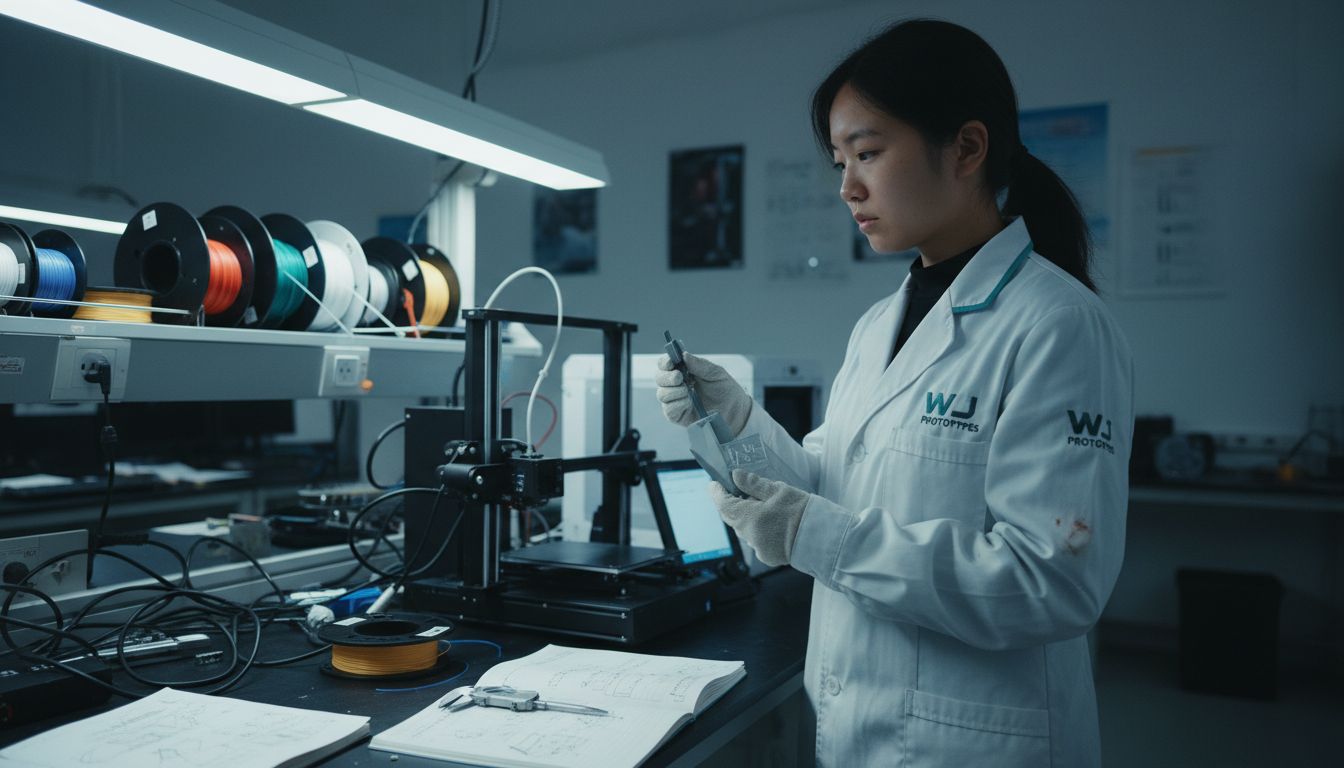
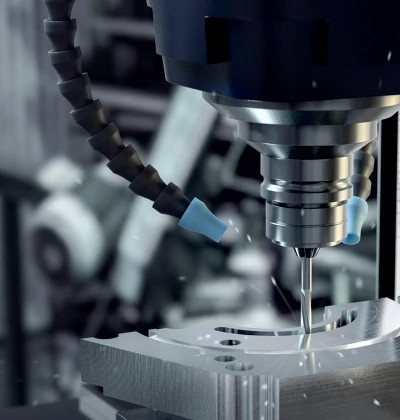
Modern prototyping technologies can be categorised into several primary approaches, each offering unique advantages for different engineering contexts. Additive manufacturing techniques like 3D printing provide unprecedented design flexibility, allowing engineers to construct intricate geometries that traditional manufacturing processes cannot achieve. Conversely, subtractive manufacturing methods such as CNC machining enable precise material removal to create highly accurate prototype components.
Key prototyping methodologies include:
Engineers must strategically select prototyping methods based on specific project requirements, considering factors such as material properties, geometric complexity, production volume, and cost-effectiveness. Comparative prototyping techniques demonstrate that no single approach suits every engineering challenge, reinforcing the importance of nuanced technological selection. By understanding the strengths and limitations of each prototyping method, engineers can optimise their design processes, reduce development cycles, and accelerate innovative product realisation across diverse industrial sectors.
Engineering prototyping represents a critical competency that transcends traditional industrial boundaries, requiring profound adaptability and specialised knowledge across diverse technological domains. Collaborative knowledge portfolios demonstrate how engineers leverage multidisciplinary expertise to solve complex challenges in sectors ranging from aerospace and automotive to medical technologies and robotics.
Each industry sector demands unique prototyping approaches that reflect its specific technological requirements and performance standards. In aerospace engineering, prototypes must withstand extreme environmental conditions, while medical device prototyping requires extraordinary precision and biocompatibility. Automotive engineering focuses on performance and manufacturing scalability, whereas robotics prototyping emphasises intricate mechanical interactions and intelligent system design.
Key industry-specific engineering expertise areas include:
Engineering communication skills play a crucial role in translating complex prototype designs across interdisciplinary teams. Engineers must not only develop sophisticated technological solutions but also effectively communicate their innovations, bridging technical complexity with strategic understanding. By maintaining a holistic approach that combines deep technical knowledge with adaptive problem-solving, engineers continue to drive technological innovation across global industrial landscapes.
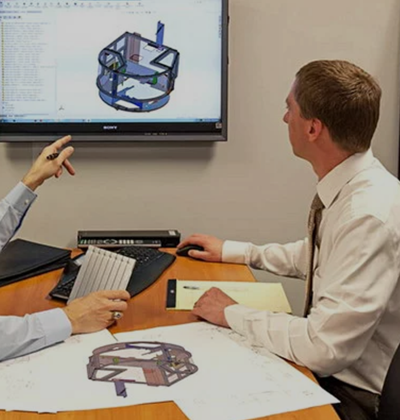
Engineering prototyping demands a complex network of collaborative interactions, where professionals must seamlessly integrate technical expertise with interpersonal communication skills. Design engineers play a critical role in bridging knowledge domains, facilitating communication between diverse teams and ensuring cohesive technological development across multiple disciplines.
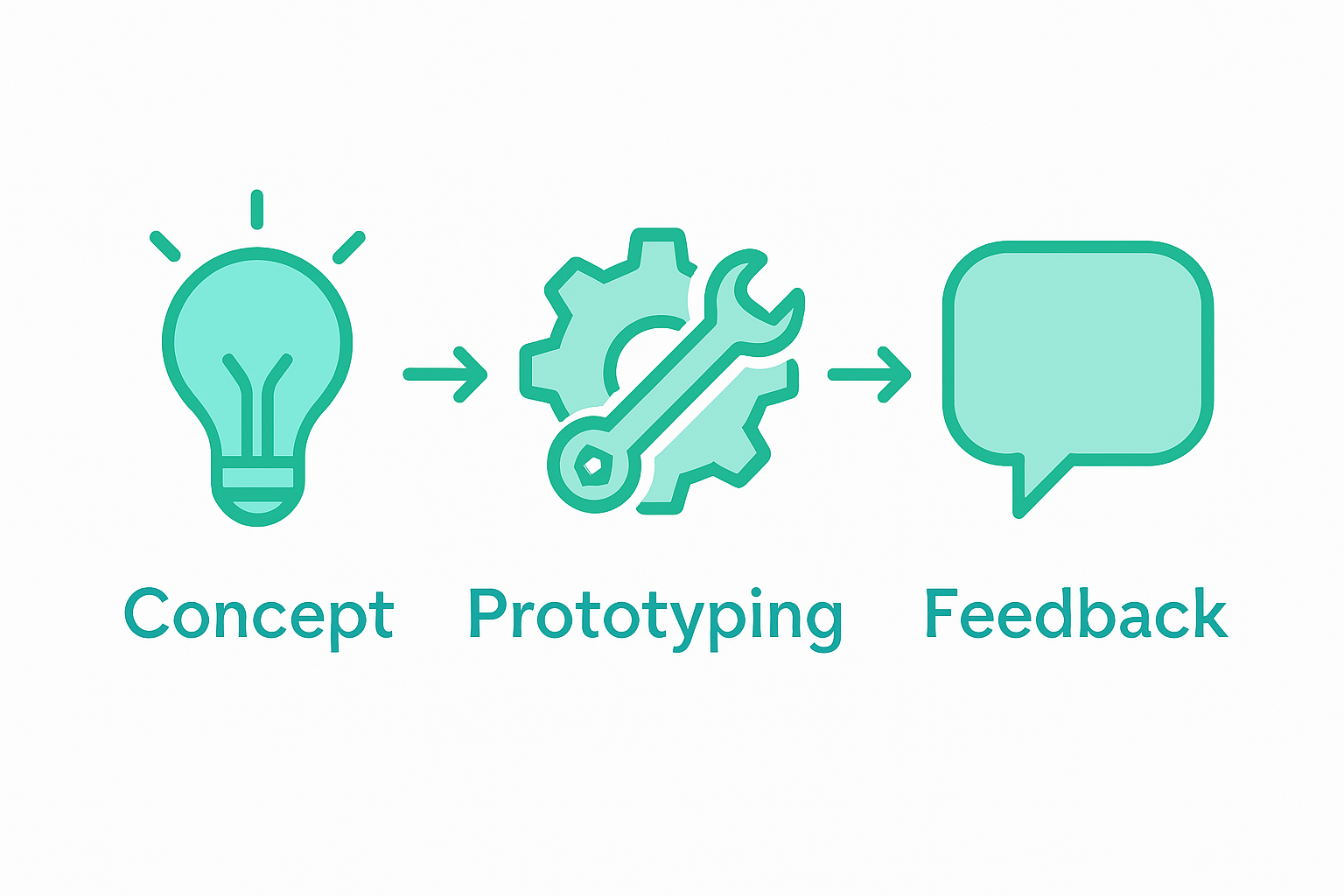
Key collaborative responsibilities for engineers encompass a comprehensive range of strategic activities. These include initial concept validation, technical feasibility assessment, cross-functional team coordination, stakeholder engagement, and continuous performance evaluation. Prototype communication emerges as a fundamental skill, transforming abstract technical concepts into tangible representations that different team members can understand and critique.
Critical collaboration points for engineering teams include:
Prototypes serve as essential communication tools that transcend traditional verbal and written descriptions. By creating physical or digital representations, engineers can effectively communicate complex technical concepts, validate design hypotheses, and drive collaborative problem-solving across organisational boundaries. The ability to translate technical complexity into comprehensible visual narratives represents a fundamental skill that distinguishes exceptional engineering professionals.
Engineering prototyping presents a complex landscape of technological challenges that demand sophisticated risk management and strategic problem-solving approaches. Contemporary prototyping methods reveal inherent limitations and potential risks that engineers must carefully navigate to ensure successful product development.
The primary challenges in prototyping encompass technical complexity, resource constraints, and potential misalignment between conceptual design and practical implementation. Material selection, technological compatibility, and performance validation emerge as critical decision points that can significantly impact prototype effectiveness. Engineers must balance innovative design approaches with practical feasibility, understanding that each prototyping method carries unique technological trade-offs.
Key challenges and mitigation strategies include:
Design prototyping best practices emphasise a systematic approach to risk mitigation and continuous improvement. Successful engineers develop robust methodological frameworks that anticipate potential challenges, implement rigorous testing protocols, and maintain flexible design strategies. By embracing a holistic perspective that integrates technical expertise with adaptive problem-solving, professionals can transform potential risks into opportunities for innovation and technological advancement.
Engineers face immense challenges when transforming innovative concepts into functional prototypes. From selecting suitable materials to balancing technical complexity and cost management, the path from idea to tangible product demands precision, adaptability and deep expertise. If you aim to overcome these hurdles through rapid, reliable and high-quality prototyping, WJ Prototypes offers tailored solutions to meet your exact engineering needs.
With advanced technologies such as SLA, CNC machining and vacuum casting combined with industry-specific knowledge spanning aerospace, medical and robotics sectors, WJ Prototypes empowers engineers to achieve iterative refinement faster and with greater confidence. Explore our comprehensive manufacturing services at WJ Prototypes and discover how our ISO-certified facility and experienced engineers can turn your design concepts into market-ready realities. Don’t let prototyping challenges slow innovation — contact us today to unlock fast, cost-effective and precision-driven prototyping tailored to your project.
Engineers play a critical role in the prototyping process by transforming conceptual ideas into tangible models. They assess technical feasibility, develop specifications, and refine designs through iterative testing, ensuring that prototypes meet performance requirements and align with project objectives.
Engineers utilise various prototyping methods, including 3D printing, CNC machining, injection moulding, vacuum casting, sheet metal fabrication, and die casting. Each method offers unique advantages, and the choice depends on factors like material properties, complexity, and production volume.
Engineers ensure prototype quality through rigorous performance testing, stress analysis, and design optimisation. They employ systematic approaches to identify constraints and make necessary modifications based on empirical data, enhancing the functionality and reliability of prototypes.
Common challenges include material limitations, technical complexity, cost management, and ensuring scalability from the prototype to production-ready solutions. Engineers must navigate these challenges by implementing effective risk management and adapting their strategies to overcome potential hurdles.
Role of Prototyping in Product Development: Complete Guide
A Comprehensive Guide To Prototyping in Product Design
7 Essential Rapid Prototyping Tips for Engineers
Prototyping in Aerospace: Complete Process Guide
What Is Pilot Injection? Diesel Injection Explained 2025
SERVICES
RESOURCES